Why do catchment groups matter – the Lake Hāwea catchment group
In our previous blog, we explored WAI Wānaka’s on-farm biodiversity monitoring programme, where farmers across the Upper Clutha are collecting data to further understand the health of the natural systems on their land. But understanding the environment is only the first step. The next challenge is turning that knowledge into action.
This is where catchment groups come in. Catchment groups bring together people connected by the same waterways and landscapes. No two groups look quite the same, each shaped by its own community, priorities, and local conditions, but most grow from a foundation of farmers and landowners, expanding over time to include local government, businesses, and community organisations. What holds them together isn’t a fixed structure, but trust, ongoing engagement and genuine social connection between the people involved. Fuelled by shared values and environmental objectives, catchment groups work towards common outcomes focused on continual improvement, of the environment, of relationships within the community, and of the catchment scale projects they take on together.
Their role is becoming increasingly important because environmental challenges don’t stop at property boundaries. Water flows across fence lines, pests move through landscapes, and biodiversity depends on connected habitats. Addressing these challenges requires collaboration, shared knowledge, and action at a catchment scale.
The Lake Hāwea Catchment Group is one example of how this approach is being applied locally.
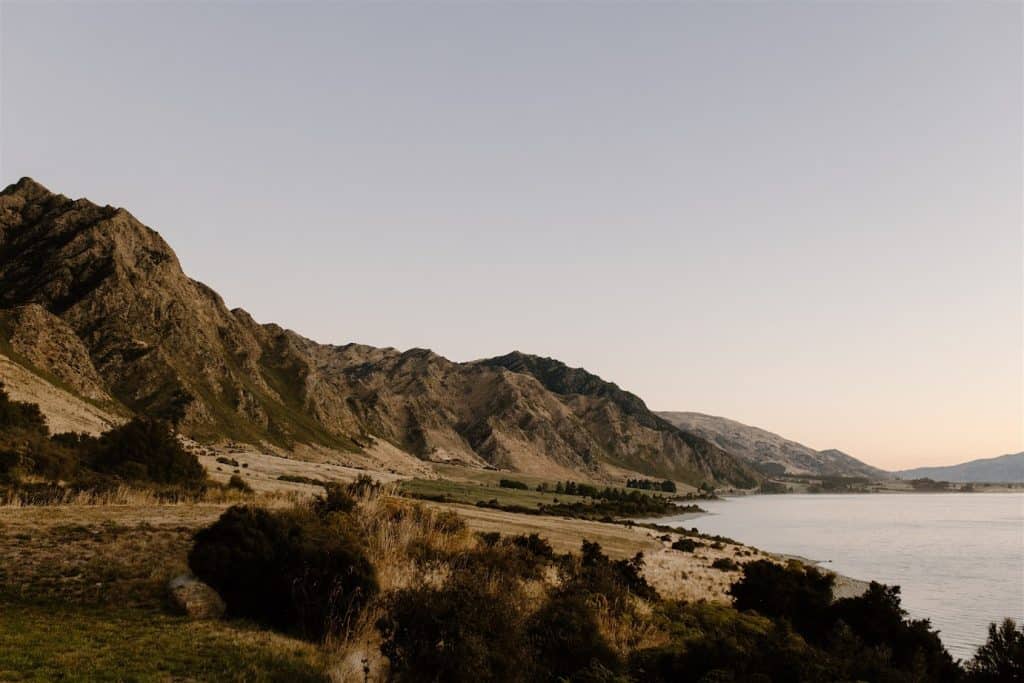
The Lake Hāwea Catchment Group
The Lake Hāwea Catchment Group was established in 2020, bringing together farmers and landowners from around the lake who share a common interest in the health of the landscapes and waterways that connect their properties. Today, the group includes seven core farming properties, members come together to share knowledge, discuss challenges, and learn from one another.
At its heart, the group is built on a simple idea: many of the opportunities and challenges facing rural communities are shared. By working together, members can combine local knowledge, support one another, increase efficiencies through shared resources, and engage collectively with stakeholders to achieve better environmental and community outcomes across the catchment.
For one local farmer, that sense of connection is what makes the group valuable:
“The Lake Hāwea Catchment Group is an amazing opportunity to mix with other farmers farming around the lake and catchment. WAI is doing a phenomenal job bringing us together where we can talk, monitor, learn and come up with new ideas going forward in this ever-changing environment and community.” – Local Hāwea farmer
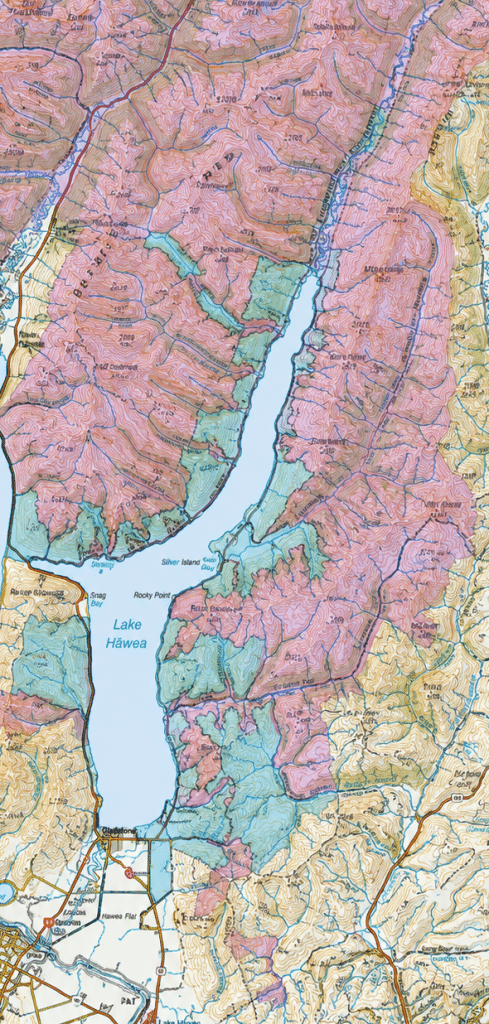
What they have achieved so far
Over the past five years, the group has been involved in a wide range of initiatives designed to improve environmental outcomes while strengthening connections across the rural community. Members have participated in WAI Wanaka long-term water quality monitoring, achieving Farm Assurance Programme (FAP+) accreditation, wilding pine control, native planting through the Jobs for Nature programme, soil health and winter grazing workshops, and knowledge-sharing within and beyond the catchment.
These activities delivered practical environmental benefits while also bringing people together. Through these projects, workshops, and shared learning, the group has built strong relationships, trust, and a deeper understanding of the opportunities and challenges facing the catchment.
That growing understanding has been supported by WAI Wānaka’s on-farm biodiversity monitoring programme. Running across the catchment since 2023, the programme sees farmers voluntarily opening their gates so information can be collected on soils, freshwater health, aquatic biodiversity, vegetation cover, and birdlife. Across the catchment, 24 soil sites, 16 stream health sites, 7 eDNA sites, and 20 vegetation photo points are now being monitored annually, providing a broad, but still developing, picture of biodiversity in the catchment.
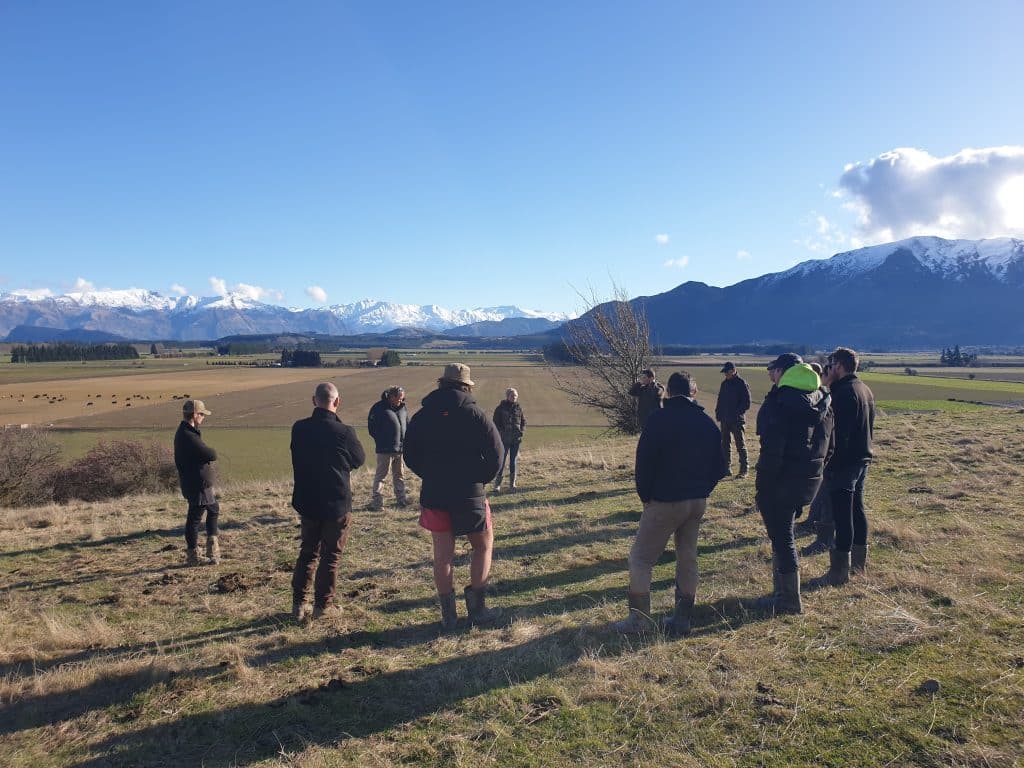
An encouraging start
Establishing this baseline is an important first step. While three years of data is still relatively early in the monitoring journey, it is already helping build a clearer understanding of catchment health and will become increasingly valuable as longer-term trends emerge. Perhaps most importantly, the programme reflects the willingness of local farmers to invest time, access, and knowledge towards understanding and protecting the environment they depend on.
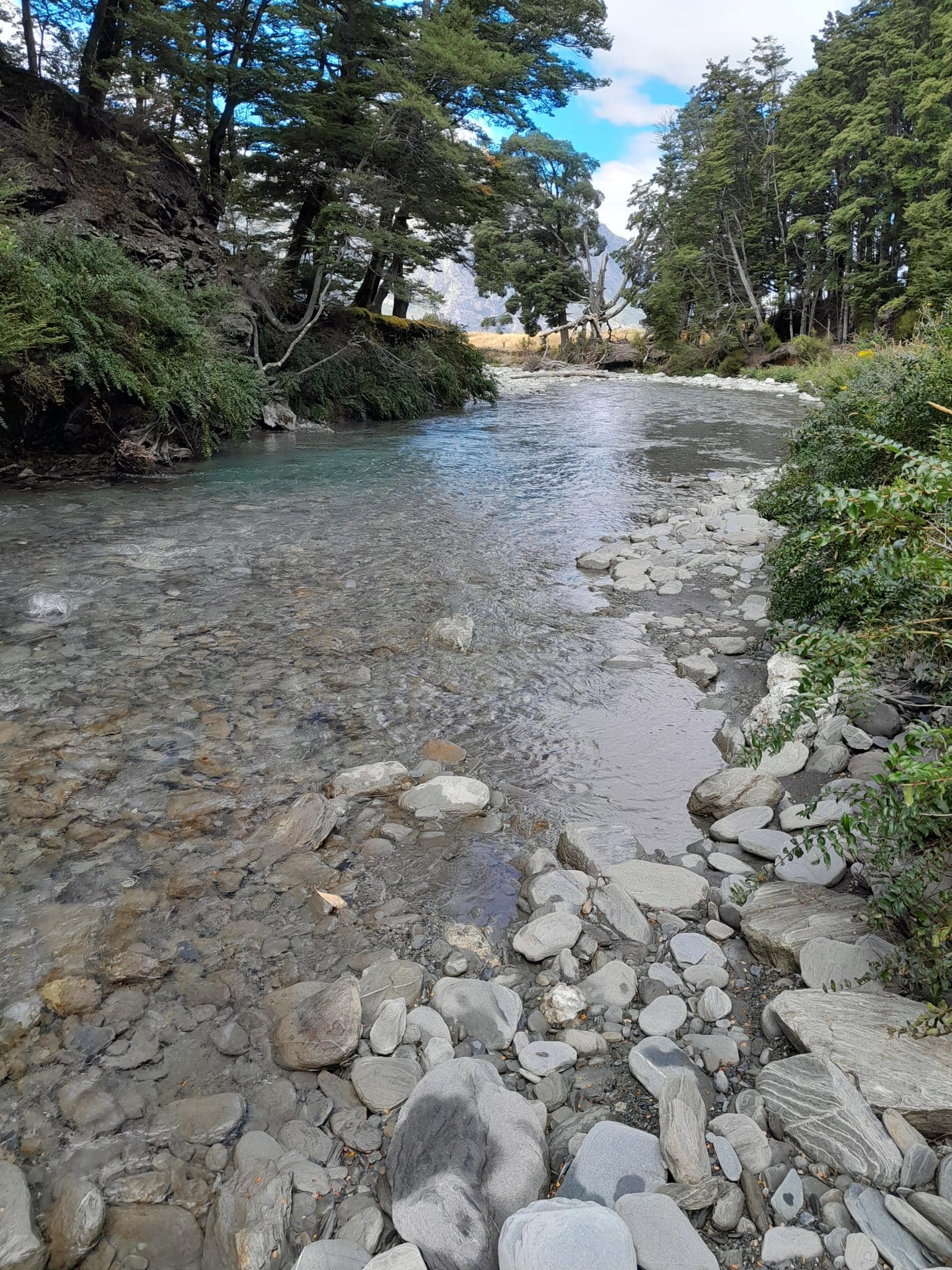
Across the catchment, seven sites were tested using Environmental DNA sampling (eDNA), to understand the plant and animal biodiversity. Of the seven sites sampled, five were classified as “excellent” and two as “pristine” under the Taxon-Independent Community Index (TICI). These are the top two categories (out of six) and are typically associated with high-quality aquatic environments. The presence of species such as galaxiids, mayflies, stoneflies, and caddisflies further support this, as they are often linked to sensitive, well-functioning freshwater systems.
However, these results are not the full picture. As WAI Wānaka Science and Research Lead Ben Youngman explains in his blog Richness, abundance, density…and other ways to argue about biodiversity, measures like TICI primarily reflect what species are present (richness) rather than how many are present (abundance) or how they are distributed (density). This means that while the eDNA results are encouraging, they represent one piece of a much larger biodiversity puzzle, rather than a complete measure of ecosystem health.
A similar positive picture emerges from stream health monitoring. Eight of the 16 sites achieved “excellent” Macroinvertebrate Community Index (MCI) scores this year, with a further six classified as “good” (across the categories of poor, fair, good, and excellent). This points to strong aquatic communities across most of the catchment. While some variation between sites and years is evident, this is expected in dynamic natural systems. Continued monitoring will help build a clearer picture of long-term trends and improve our understanding of the factors influencing freshwater health across the catchment.
The physical condition of stream environments also returned encouraging results. For physical habitat assessments, two of the 16 sites were rated “excellent” and 13 “good”(across the categories of poor, fair, good, and excellent), indicating that most streams provide suitable conditions to support healthy aquatic life. This reflects a broadly positive picture while still allowing for variation between sites.
The findings were similarly positive on land. For the visual soil assessments, 22 of the 24 sites fell within the top “good” category this year, indicating a consistently strong baseline across much of the catchment. While this is encouraging, some variation between sites and years is already evident, reinforcing the importance of ongoing monitoring.
Taken together, the results show that many monitoring sites are currently sitting within the good to excellent, and in some cases pristine, categories across soils, freshwater, habitat, and biodiversity indicators. While the early results are encouraging, their real value lies not in the data itself, but in how it helps build understanding, identify priorities, and guide future action across the catchment.
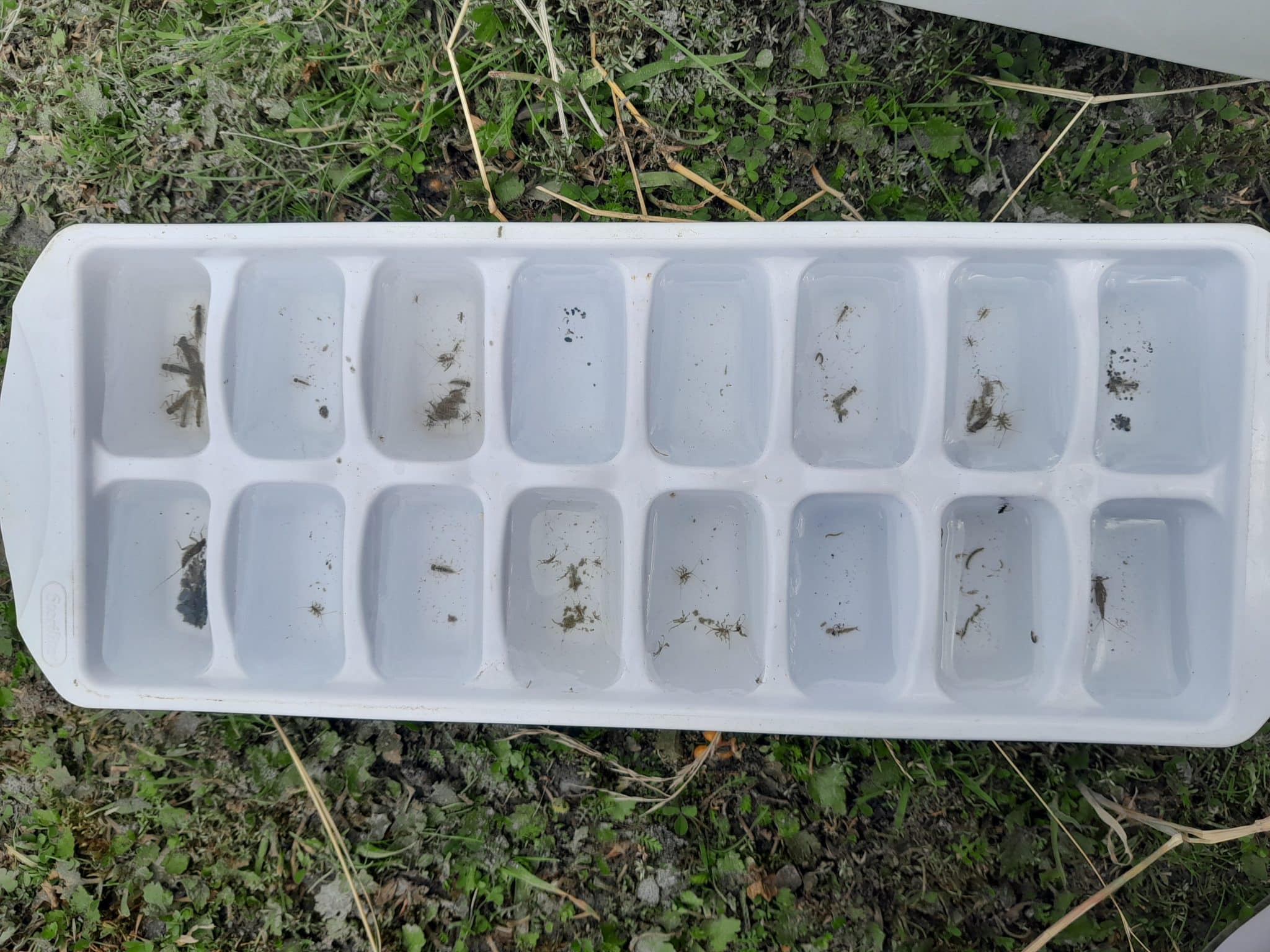
What the monitoring feeds into
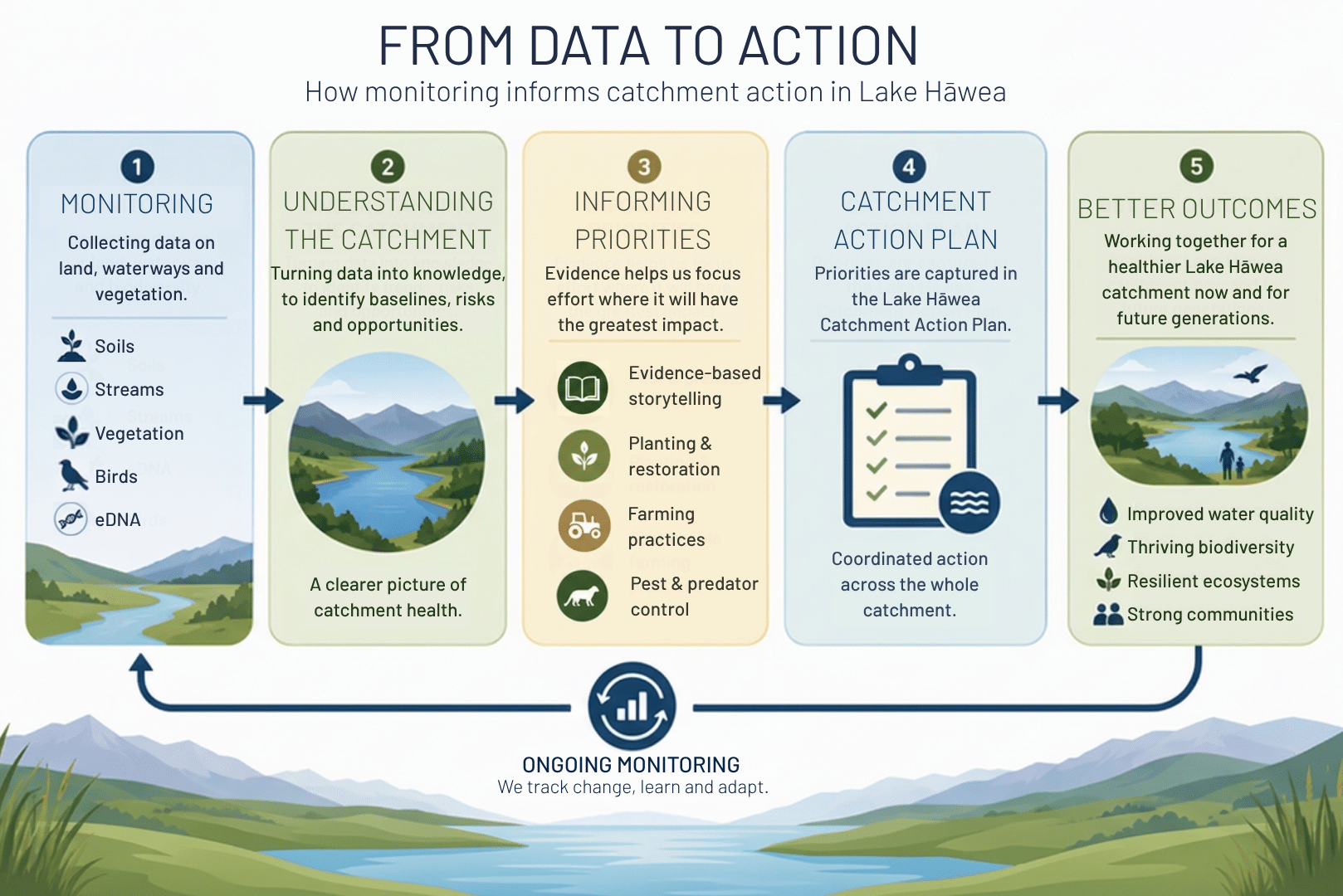
By building a baseline and tracking change over time, the programme helps identify opportunities, inform priorities, and guide future action. Rather than sitting in a report, the data provides evidence to support decisions about restoration, freshwater management, pest control, and other initiatives across the catchment. It also gives farmers, and landowners, a factual, evidence-based story to tell, one that shows what is happening on the ground, highlights the improvements being made, and builds a shared understanding of the catchment over time.
Importantly, monitoring helps move conversations beyond assumptions and anecdotes. It provides a trusted source of information that can be used to demonstrate the impact of environmental initiatives, celebrate successes, and identify where further effort may be needed.
The process is simple: monitoring builds understanding, understanding helps identify priorities and tell an evidence-based story, and together those priorities and insights help guide action.
From individual farm action
The Lake Hāwea Catchment Group quickly recognised that monitoring and environmental improvements at an individual farm scale could only go so far. While landowners play an important role, many of the challenges affecting Lake Hāwea extend beyond property boundaries.
Water quality, biodiversity, invasive species, recreation, urban development, and ecosystem health are all influenced by what happens across the wider catchment. Addressing these issues requires a shared understanding of the landscape and a coordinated approach to action.
Recognising this, the Lake Hāwea Catchment Group helped bring together a wider range of stakeholders, including Guardians of Lake Hāwea, the Hāwea Community Association, WAI Wānaka, Otago Catchment Communities, Queenstown Lakes District Council, Contact Energy, Fish & Game, LINZ, DOC, ORC, and others. Together, these organisations formed the Lake Hāwea Stakeholder Group, uniting around a shared interest in the future of the catchment.
One of the Lake Hāwea Stakeholder Group’s most significant achievements was the development of the Lake Hāwea Catchment Action Plan (download the full plan here), a long-term, evidence-based framework designed to guide environmental action across the catchment. Rather than focusing on isolated projects, the plan provides a shared direction for the people and organisations working to protect and enhance the lake and the landscapes that surround it.
Turning a vision into action
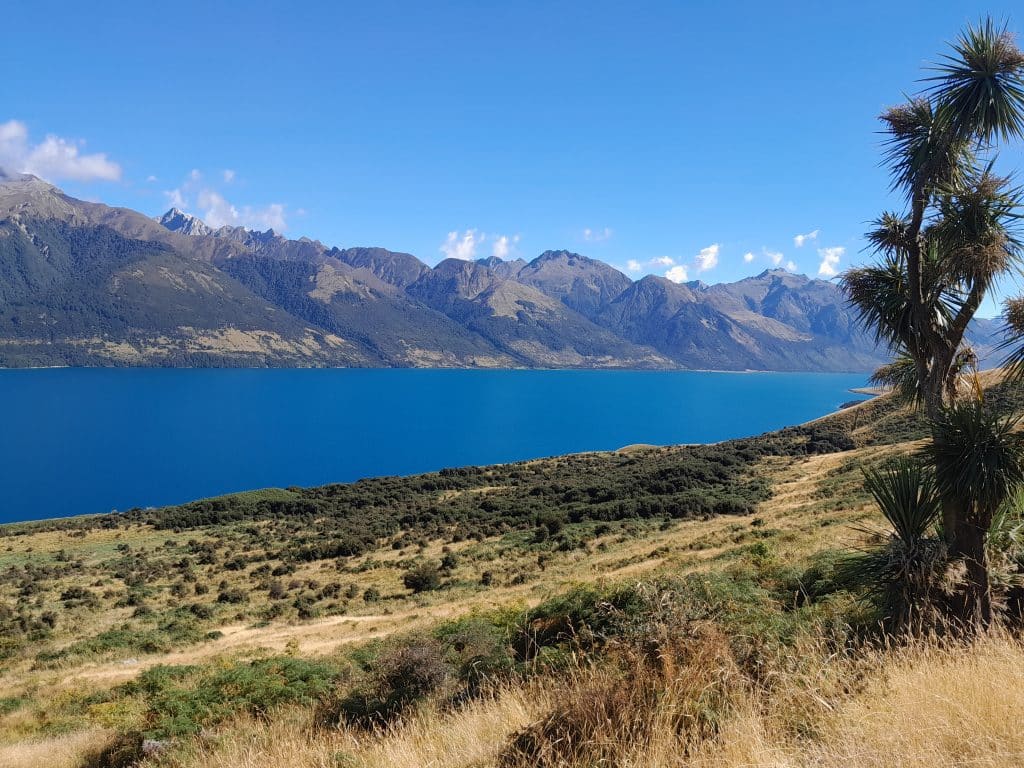
At the heart of the Catchment Action Plan is a shared vision:
All stakeholders of Lake Hāwea and its catchment will work together, using evidence-based approaches to improve water quality, ecosystem function, biodiversity, and recreational enjoyment for future generations.
To help deliver this vision, the plan identifies seven key focus areas:
- Collaborative terrestrial pest animal control
- Collaborative terrestrial pest plant management
- Freshwater invasive species management
- Planting for biodiversity
- Fish species interactions
- Stormwater improvements
- Sustainable farming and land management
Importantly, the plan is not a static document. It follows an adaptive management approach, meaning actions can evolve as new information becomes available and the needs of the catchment change over time. By combining environmental data, local knowledge, and practical experience, the plan creates a framework for coordinated action across the landscape. Delivering on these priorities requires good information, which is where biodiversity and freshwater monitoring play an important role.
A model for the future
Environmental monitoring is complex, but improving environmental outcomes is even harder. Data alone will not restore biodiversity, improve water quality, or build resilient landscapes. People do.
Catchment groups help turn understanding into action by bringing together the people who share a landscape and a stake in its future. They create a space for collaboration, collective decision-making, and long-term planning that extends beyond individual properties and organisations.
The Lake Hāwea Catchment Group shows what is possible when that approach is put into practice. Through monitoring, restoration, sustainable farming, and catchment-wide planning, it is helping build a healthier and more resilient future for the catchment. More broadly, it offers a model for how communities across New Zealand can work together to tackle environmental challenges at the scale they occur.